
Vestibular Physiotherapy Melbourne & Geelong
Dizziness, vertigo or balance problems? We assess what may be contributing and guide your vestibular rehabilitation.
Understanding the Vestibular System
The peripheral vestibular system is a small structure located in the inner ear, next to the hearing apparatus. It detects and sends information to your brain about head movement, position and motion. The vestibular system The brain uses this information (along with information from other areas of the body) to know where your body is in space and keep your eyes stable during movement and help you maintain your balance and posture.If you’re experiencing problems with the vestibular system or the areas of the brain that process vestibular information, it may cause feelings of dizziness, vertigo, imbalance, motion sensitivity or visual disturbance.
This can happen after a range of conditions, including concussion, BPPV, vestibular neuritis, vestibular migraine, brain tumour removal, multiple sclerosis and other balance disorders.
Vestibular-Related Symptoms
Vestibular dysfunction can present in different ways. Common symptoms include:
- Dizziness
- Vertigo (a sensation of spinning or movement)
- Balance problems or unsteadiness
- Nausea
- Blurred or unstable vision
- Motion sensitivity
- Difficulty walking confidently
- Brain fog or reduced concentration
- Fatigue
- Falls or increased fall risk
A thorough vestibular assessment at our concussion clinic can help identify the likely contributors to your symptoms and guide the most appropriate management plan.


Common Causes of Dizziness, Vertigo and Balance Problems
The team at Concussion Central have experience in treating many common vestibular and balance-related conditions, including:
- Vestibular Neuritis/Labyrinthitis
- Benign Paroxysmal Positional Vertigo (BPPV)
- Vestibular Migraine
- Menieres Disease
- Concussion and persisting post-concussion dizziness
- Acoustic Neuroma/Vestibular Schwannomas
- Persistent Postural Perceptual Dizziness (PPPD)
- Chronic dizziness or disequilibrium without a clear diagnosis
We also see people experiencing age-related balance decline, dizziness after brain injury or stroke, and balance problems associated with neurological conditions such as multiple sclerosis or Parkinson’s disease.
Vestibular Rehabilitation and Treatment Options
Vestibular rehabilitation is a form of exercise-based physiotherapy used to re-train the vestibular system, helping to improve dizziness and balance in most people.
Treatment is based on your symptoms, clinical findings and the likely cause of your dizziness or balance problem. Depending on your presentation, your physiotherapist may recommend:
- Balance exercises
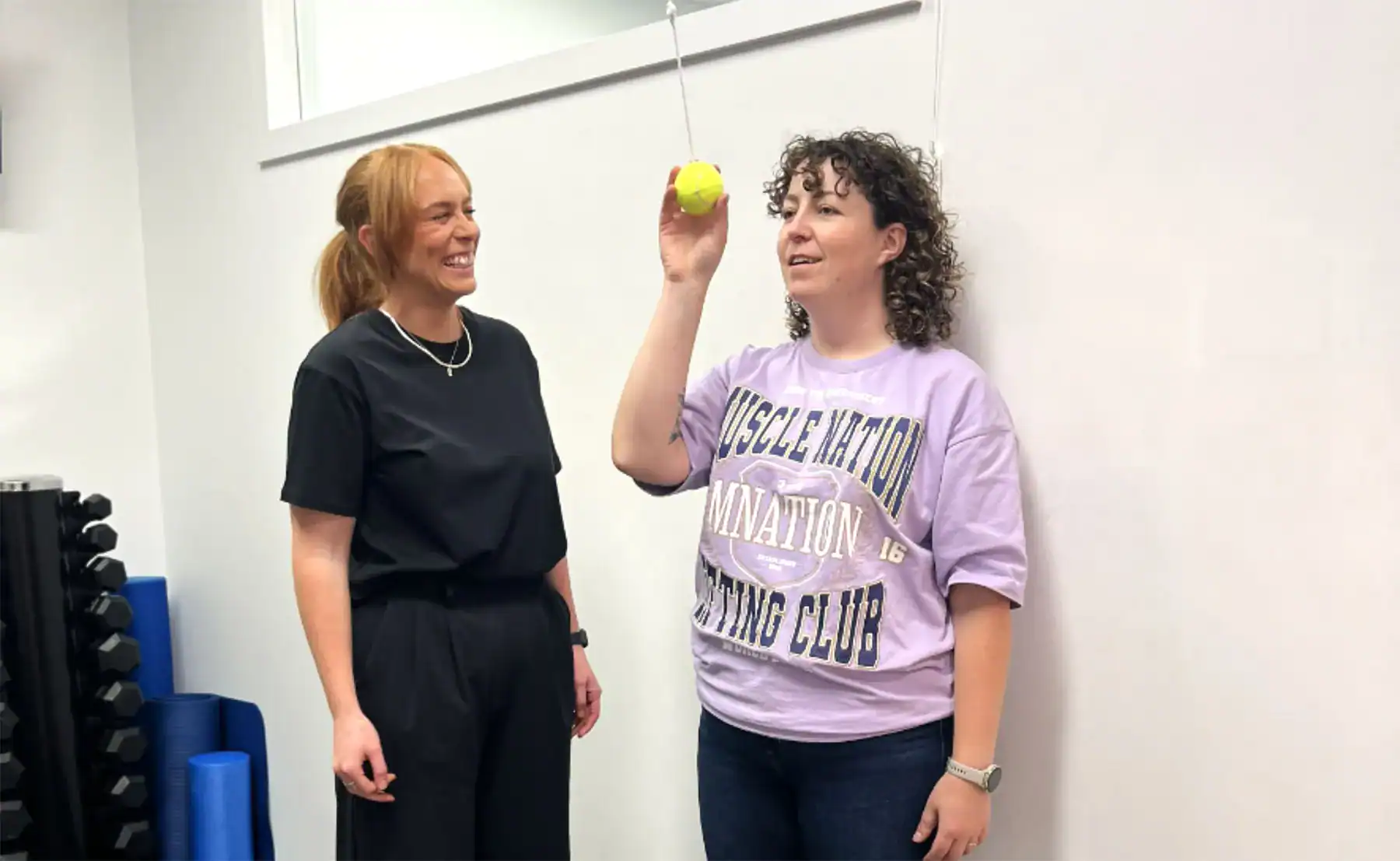
- Eye movement or gaze stability exercises
- Vestibular desensitisation / habituation exercises
- Falls prevention and fall risk minimisation strategies
- Head and eye coordination exercises
- Repositioning manoeuvres for BPPV (Eg. Epley Manoeuvre)
- Falls prevention and fall risk reduction strategies
- Functional movement retraining
- Neck assessment and treatment where cervical factors may be contributing
- Strength and conditioning or graded fitness work where appropriate
- Education about symptom triggers, pacing and recovery strategies
No two clients are the same. After your initial assessment, our vestibular physiotherapists tailor your treatment to your specific vestibular condition or balance disorder, health history, symptom pattern and goals.
Getting the Best Treatment Outcomes with Vestibular Physiotherapy
Knowing what to expect can put clients at ease, giving them peace of mind that their concerns will be listened to. Your first vestibular physiotherapy session includes a detailed assessment to help determine the factors contributing to your dizziness, vertigo or balance difficulties. This can involve:
- A detailed history of your dizziness, vertigo or balance symptoms
- Review of symptom triggers, duration and functional impact
- Positional testing where BPPV is suspected
- Balance and gait assessment
- Eye movement and visual-vestibular assessment
- Head movement tolerance
- Physical examination (including neck assessment)
- Explanation of likely causes for your symptoms
- Customised physiotherapy treatment plan
- Exercise program prescription
In most cases we aim for treatment to begin in the first session, depending on the clinical findings and your presentation.
You Don’t Have to Live With Dizziness and Balance Problems
Dizziness, vertigo and balance problems can make everyday activities more difficult. At Concussion Central, our vestibular-trained clinicians have substantial experience assessing and managing these concerns.
Get in touch with our team today to see what options may be available for your specific concerns.